
Healthcare and Medicine (Nitibu)
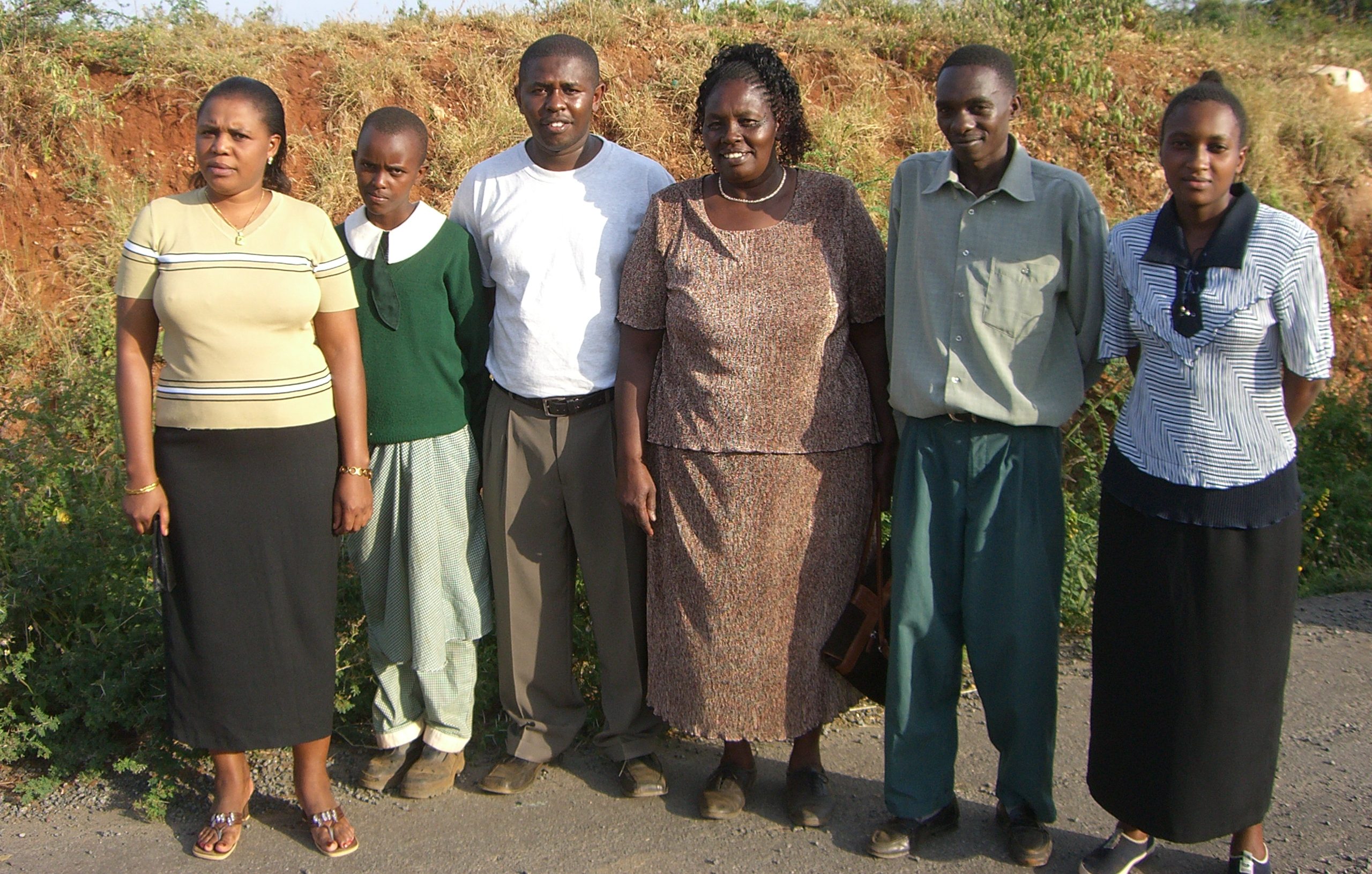
Good health is the foundation for a hopeful future. An Arab proverb states, “He who has health, has hope. He who has hope, has everything.” Many children in our Kenyan communities suffer health challenges that threaten their survival – in fact, 5.4 million children under five died globally in 2017, about half in sub-Saharan Africa. Orphaned, abandoned, and impoverished children face even higher mortality risk; too many “may never reach adulthood” due to preventable or treatable conditions. Youthful Faces works to ensure quick access to medical care for every child in our program. We partner with physicians and health facilities so that a child’s illness or injury does not spiral into tragedy. Health support also includes HIV prevention/treatment where relevant, immunizations, and health education.
Our Goal
Ensure comprehensive health care access and improved health outcomes for children and adolescents in the program. By 2028, 100% of Youthful Faces beneficiaries will be enrolled in a basic health insurance or community health scheme, and all will receive needed medical care (curative and preventive) in a timely manner. We will monitor key health indicators (vaccination status, incidence of common 12 illnesses, etc.) and strive to see zero preventable child deaths or severe illnesses among those we support.
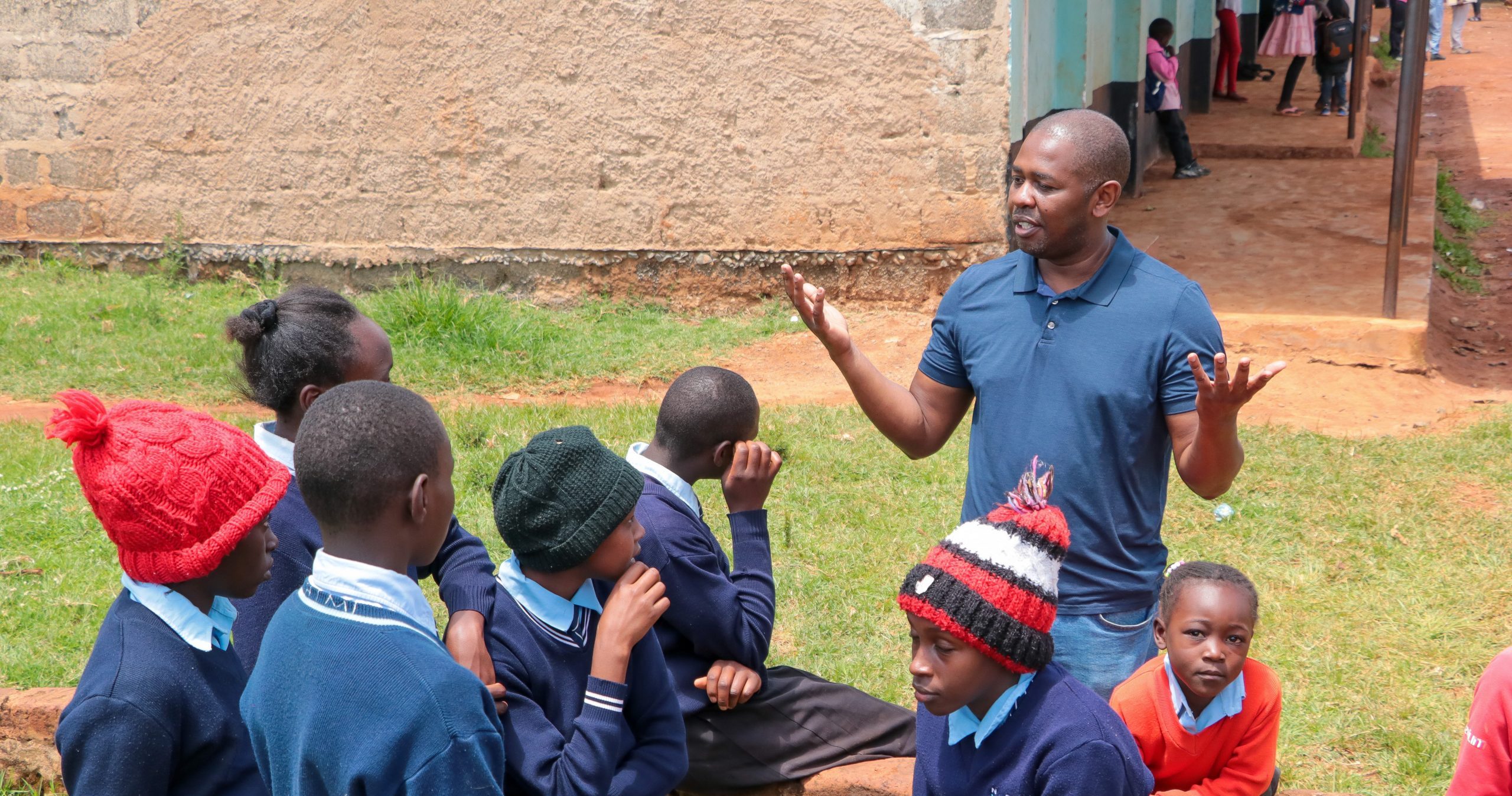
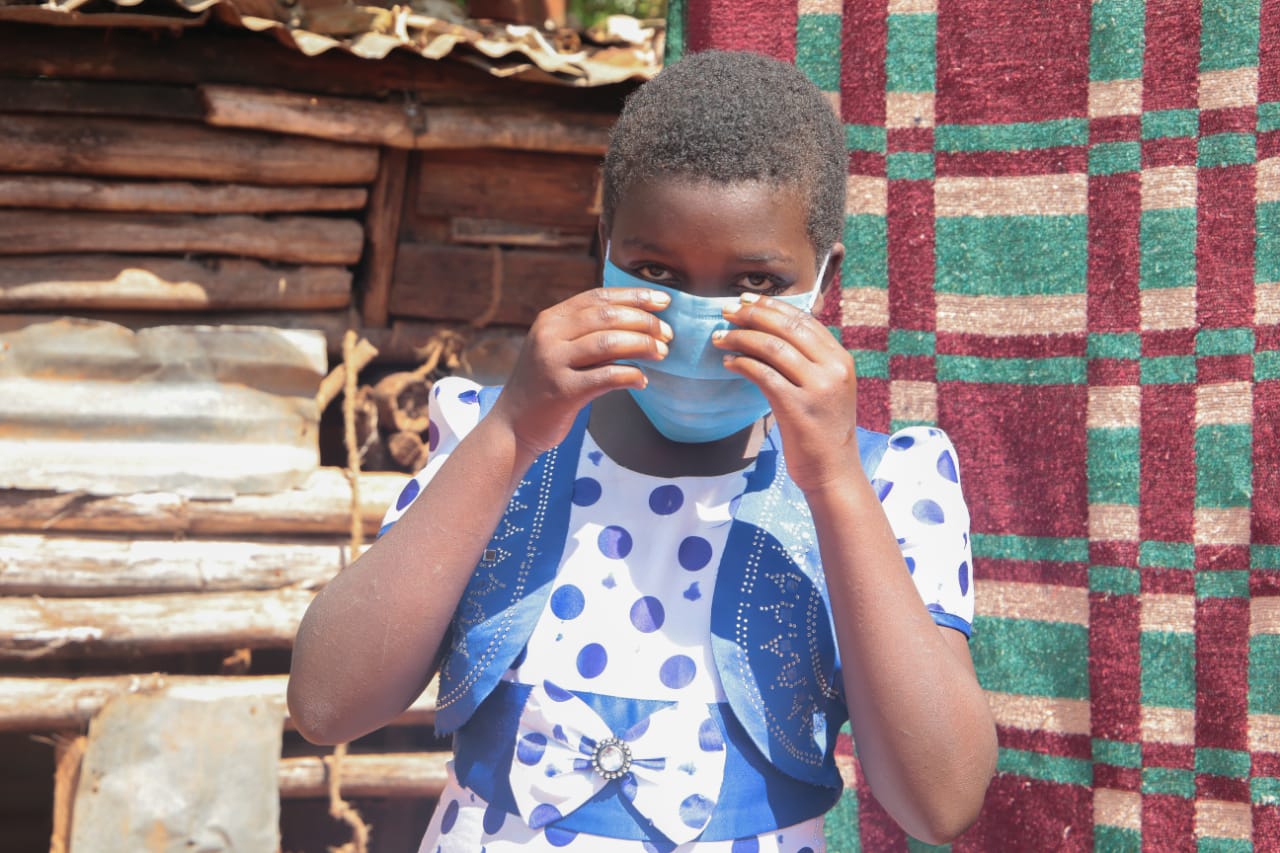
Health support aligns with SDG 3: Good Health & Well-being. It also echoes UNICEF and OVC guidelines, which emphasize that OVC programs must address health care access as a core service. With the threat of HIV/AIDS ever-present, Youthful Faces maintains its commitment to HIV-affected children while broadening to overall health. Our plan contributes to Kenya’s national goals of universal health coverage and to the African Union Youth Charter priority on Youth Health and Sexual Reproductive Health Rights by educating and protecting young people.