
Psychosocial Support & Child Protection
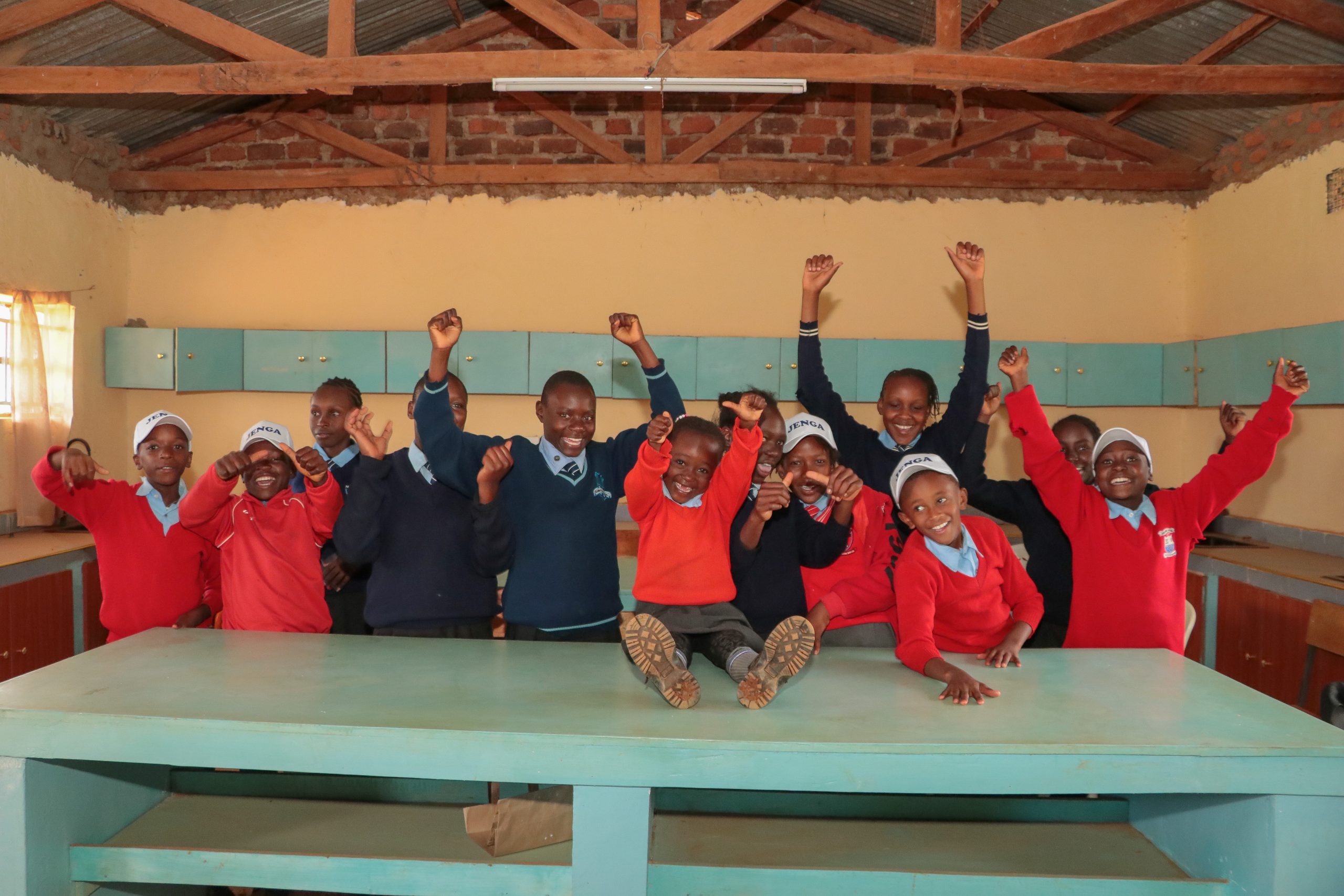
Many orphaned and vulnerable children carry deep emotional scars from loss, trauma, and hardship. While meeting physical needs (food, shelter, medicine) is critical, “the importance of psychosocial support… cannot be overrated. Losing parents or living through abuse is a traumatic experience for a child, often resulting in grief, anxiety, or behavioral challenges. Yet psychosocial care is often overlooked in OVC programs. Youthful Faces recognizes that to truly help a child thrive, we must also support their mental and emotional well-being. In surveys, stakeholders strongly suggested adding trauma-informed care and psychosocial support as a core component of our mission. This includes providing counseling, mentorship, and a nurturing environment where children feel safe and valued.
Our Goal
Embed psychosocial support across all programs to nurture the emotional well-being and resilience of our children. By 2028, Youthful Faces will have an established psychosocial support program ensuring that 100% of children and caregivers have access to counseling, support groups, or mentorship services. We aim to help children overcome trauma, build self-esteem, and develop life skills for resilience. Child protection (safeguarding) mechanisms will be strengthened to ensure every child is safe from abuse or exploitation within our programs.
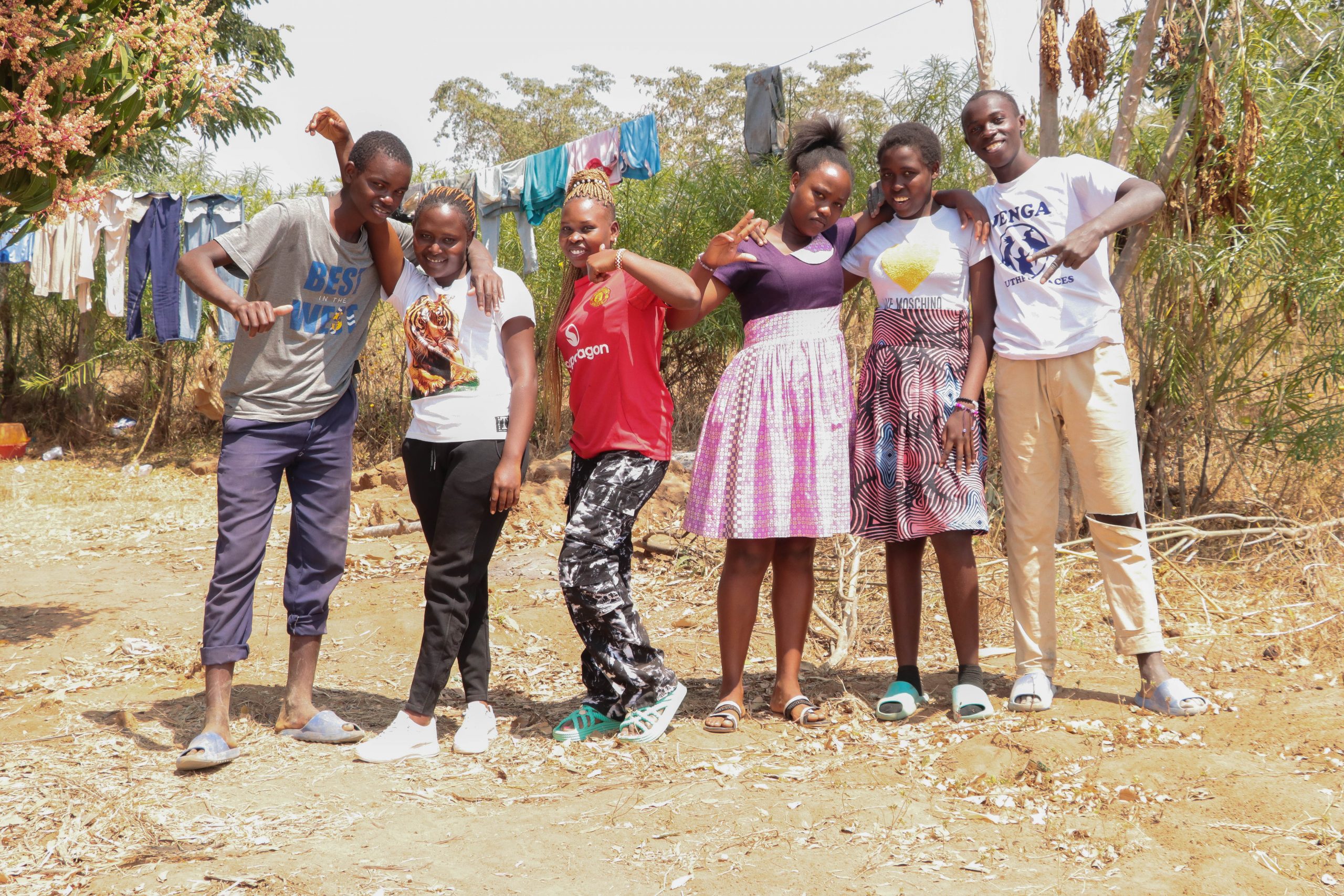
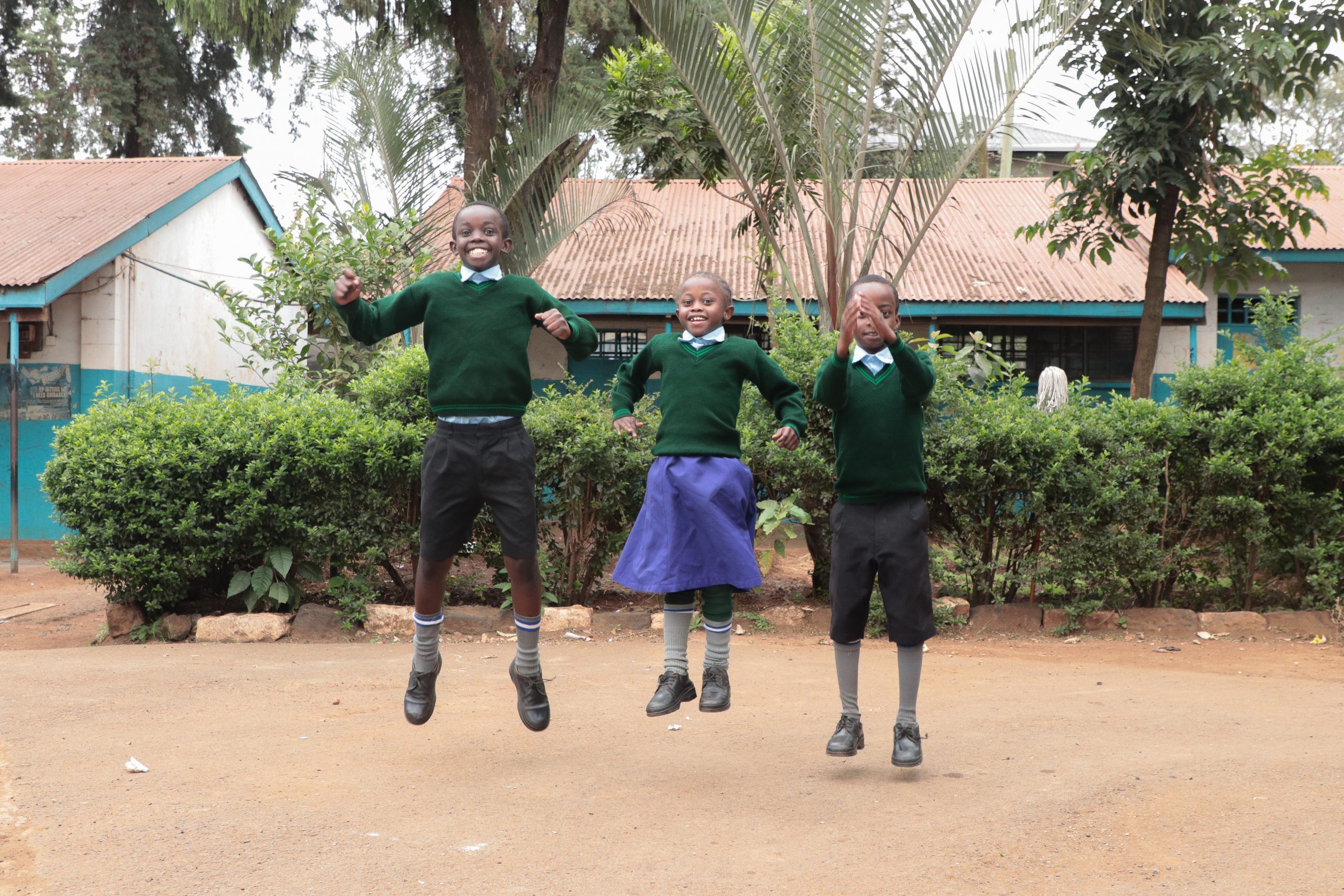
Psychosocial support underpins SDG 3 (mental health is part of health) and SDG 16 (protection of children). It aligns with international guidelines that emphasize caring for the “emotional and social wellbeing” of OVC. The African Union’s Youth Charter also indirectly supports this through calls for youth empowerment and participation – healthy, confident youth are better able to engage and contribute. By building an internal culture of safeguarding and care, Youthful Faces not only protects children but also empowers them to heal and succeed. As one board respondent put it, “Psychosocial support may belong in our services as well, as a child who is not supported emotionally may not be able to flourish in school”. Incorporating this priority ensures we truly address the whole child in our holistic model.