
Housing and Shelter (JENGA)
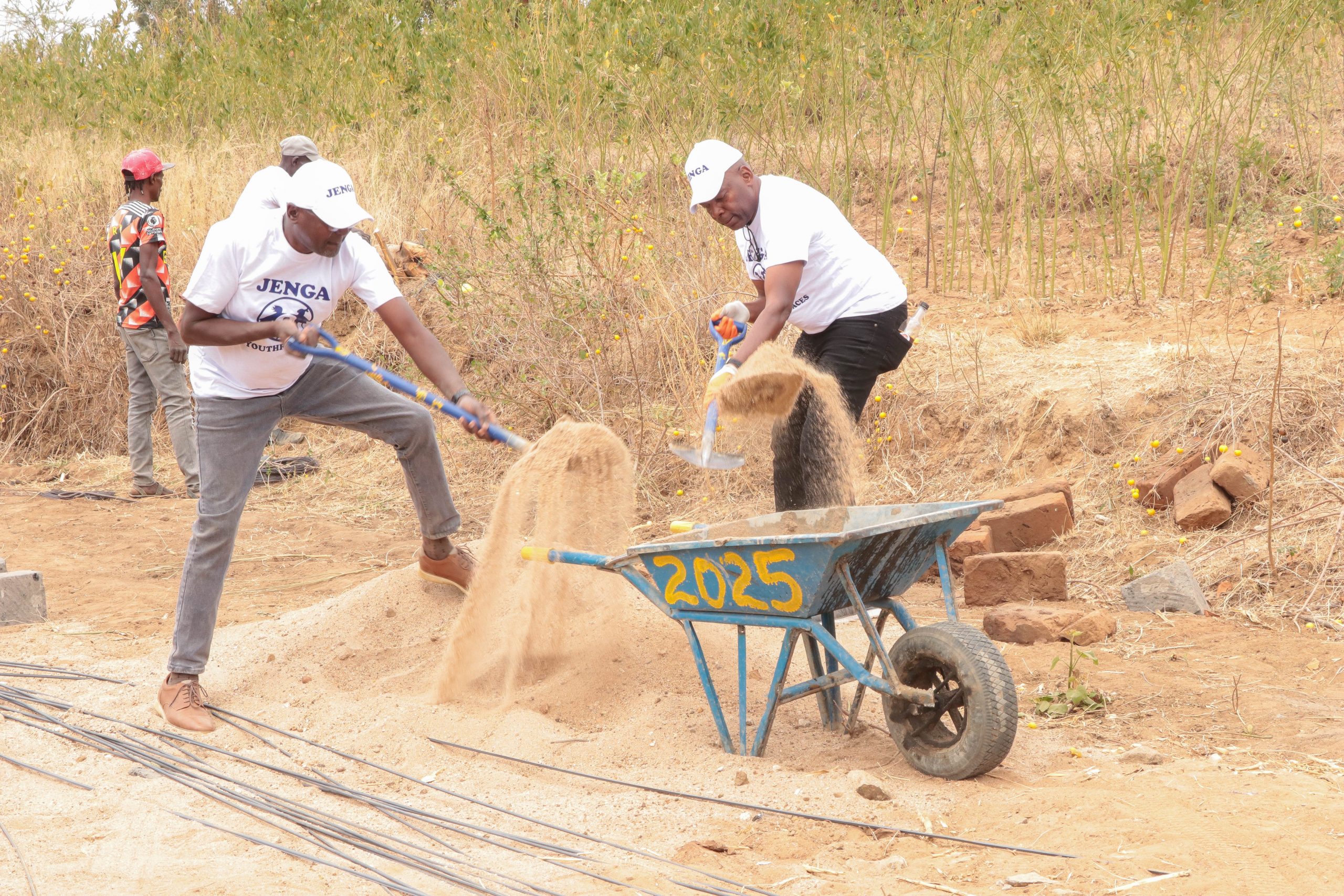
“Home is where the heart is.” Many vulnerable children in Kenya live in substandard housing – structures that leak, lack proper walls or floors, or are unsafe. This compromises their physical safety (exposure to elements, disease vectors) and psychological security. “Too many children may not feel safe and secure… No child should grow up like that.” Recognizing this, Youthful Faces launched the JENGA program in 2019 (“Jenga” means “build” in Swahili) to provide safe, resilient, sustainable housing for the children and families we serve. Volunteers have been “brick by brick… creating new homes on a solid foundation of love. Having a decent home is transformative: it improves health (better shelter), education (space to study), and dignity for the family.
Our Goal
Expand the JENGA housing program to provide safe shelter for more vulnerable children and their families. Over 2026–2028, construct at least 3 new homes and 3 home renovations for families in need, ensuring that by 2028 all active Youthful Faces beneficiary households live in safe and adequate housing. Each house will be built to be durable, weather-resistant, and suited to the family’s size.
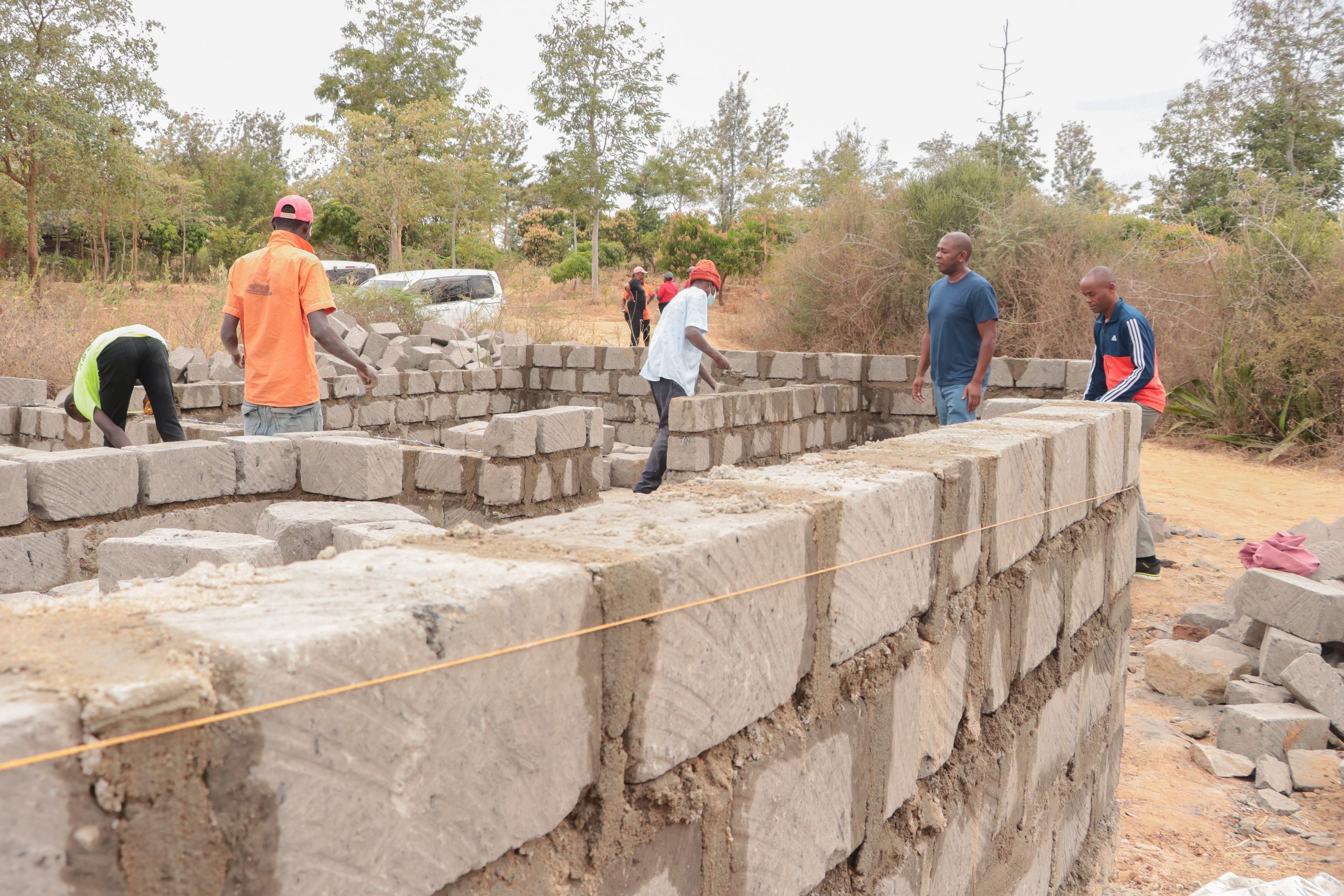
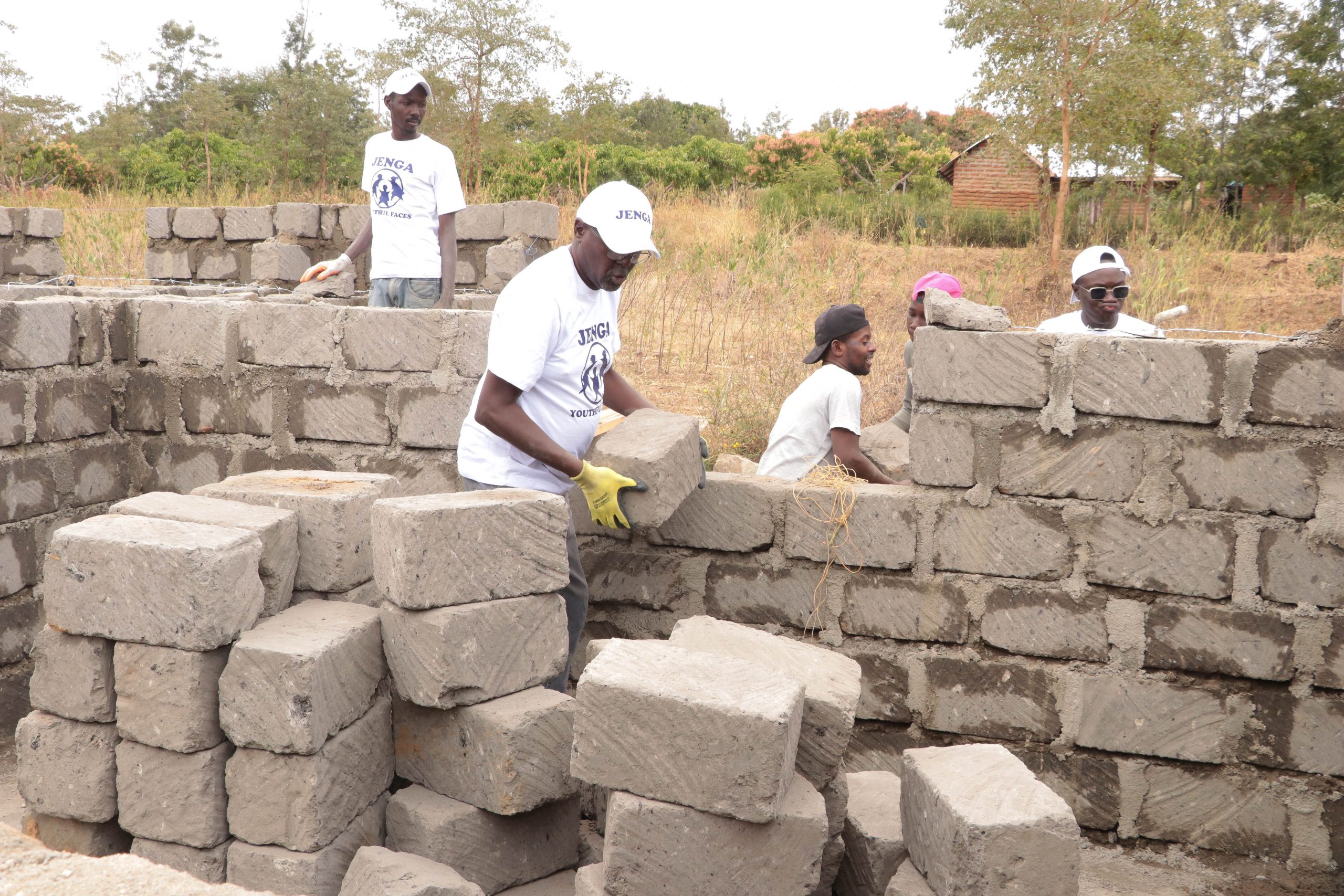
Providing housing ties directly to SDG 11: Sustainable Cities & Communities (target on adequate, safe housing) and our own children in safe, resilient homes. It also intersects with climate adaptation – new houses are more resilient to floods or extreme weather, protecting vulnerable families from climate-related disasters. This program was rated as a priority in stakeholder surveys (Housing/Shelter was consistently listed in the top 5 focus areas). Ensuring a child has a secure home environment underpins success in all other areas (health, education, etc.).