
Water, Sanitation and Hygiene (WASH)
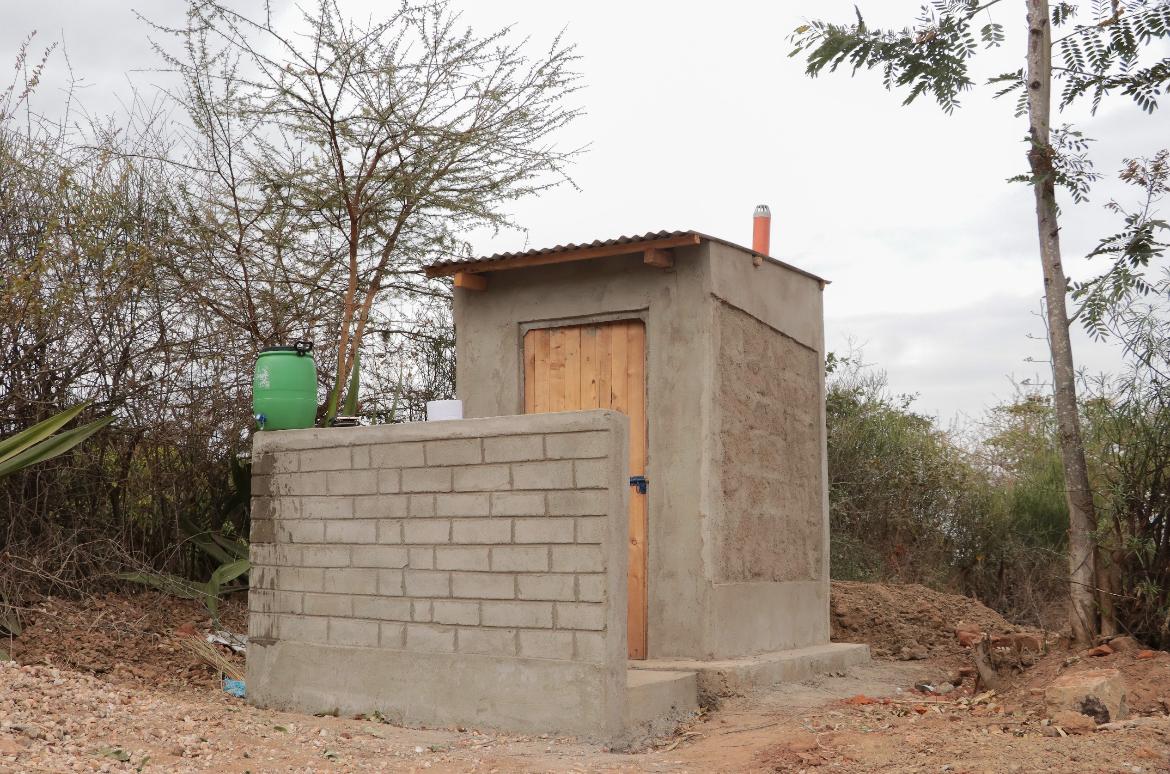
“You will never solve poverty without solving water and sanitation.” – this quote from Matt Damon (a WASH advocate) underscores the importance of clean water and 14 hygiene for child development. Poor WASH conditions lead to diarrheal diseases that can be lethal for children and also cause malnutrition by robbing nutrients. Many communities we serve lack access to clean water and basic toilets, which is why our mission includes providing these essentials. Youthful Faces believes “growing up in a clean and safe environment is every child’s right,” and we work to raise hygiene standards in each household. WASH improvements amplify gains in health and nutrition, and are a cost-effective intervention for child well-being.
Our Goal
Improve access to clean water, sanitation facilities, and hygiene practices for the children and communities we serve. By 2028, all Youthful Faces beneficiary households will have access to safe drinking water and an adequate toilet, and will receive hygiene education. We aim to reduce water-borne and hygiene-related illnesses among our children to near zero.
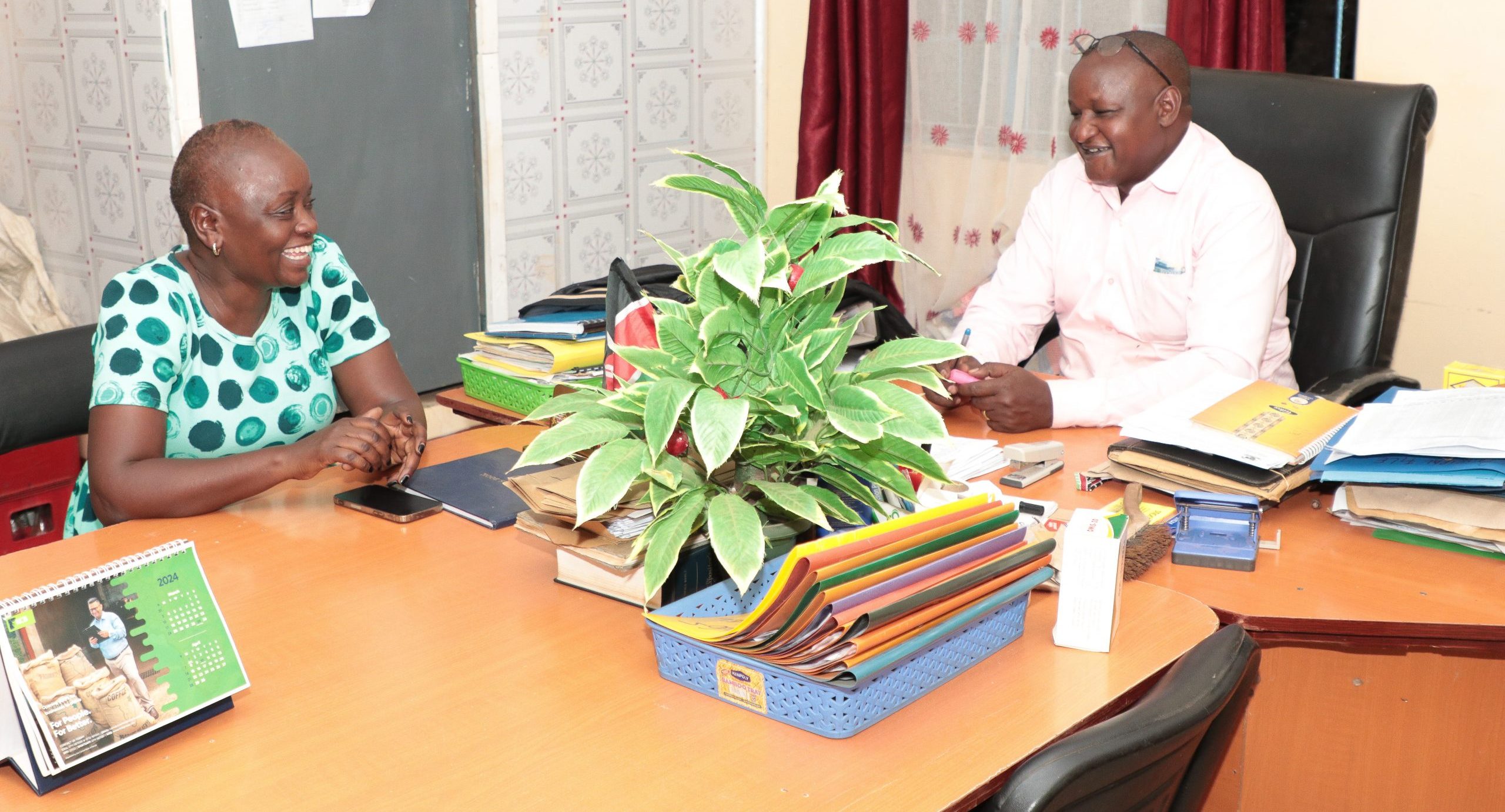
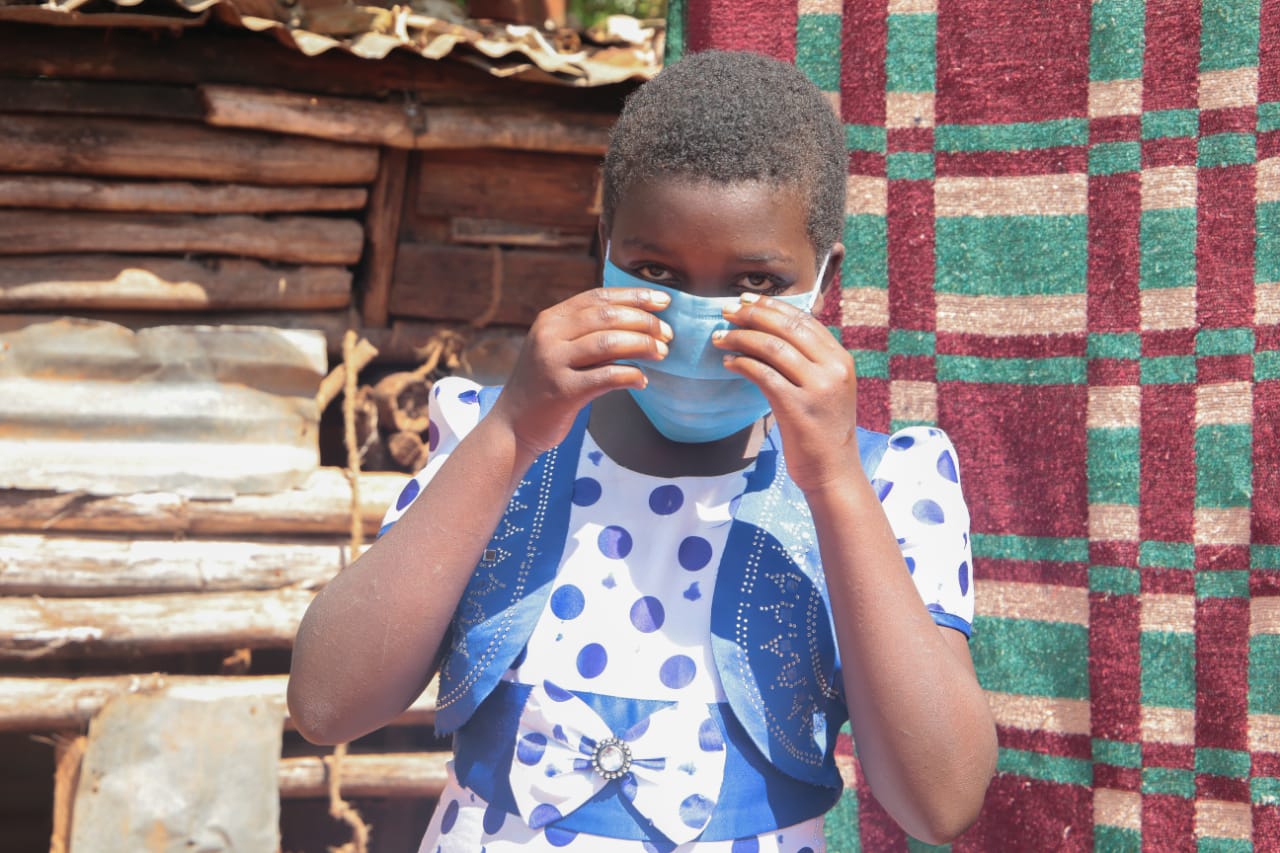
WASH efforts support SDG 6: Clean Water and Sanitation. They also align with Kenya’s national ODF (Open Defecation Free) campaigns and public health goals. Reducing waterborne diseases will directly contribute to our health objectives. On a broader scale, WASH is part of the Agenda 2063 aspirations for improved living standards. Our focus on community hygiene education mirrors approaches recommended by global OVC programs to create “orphan-friendly and supportive communities”. Ultimately, healthier children can attend school more regularly and thrive – making WASH a foundational investment.