
Advocacy and Partnerships
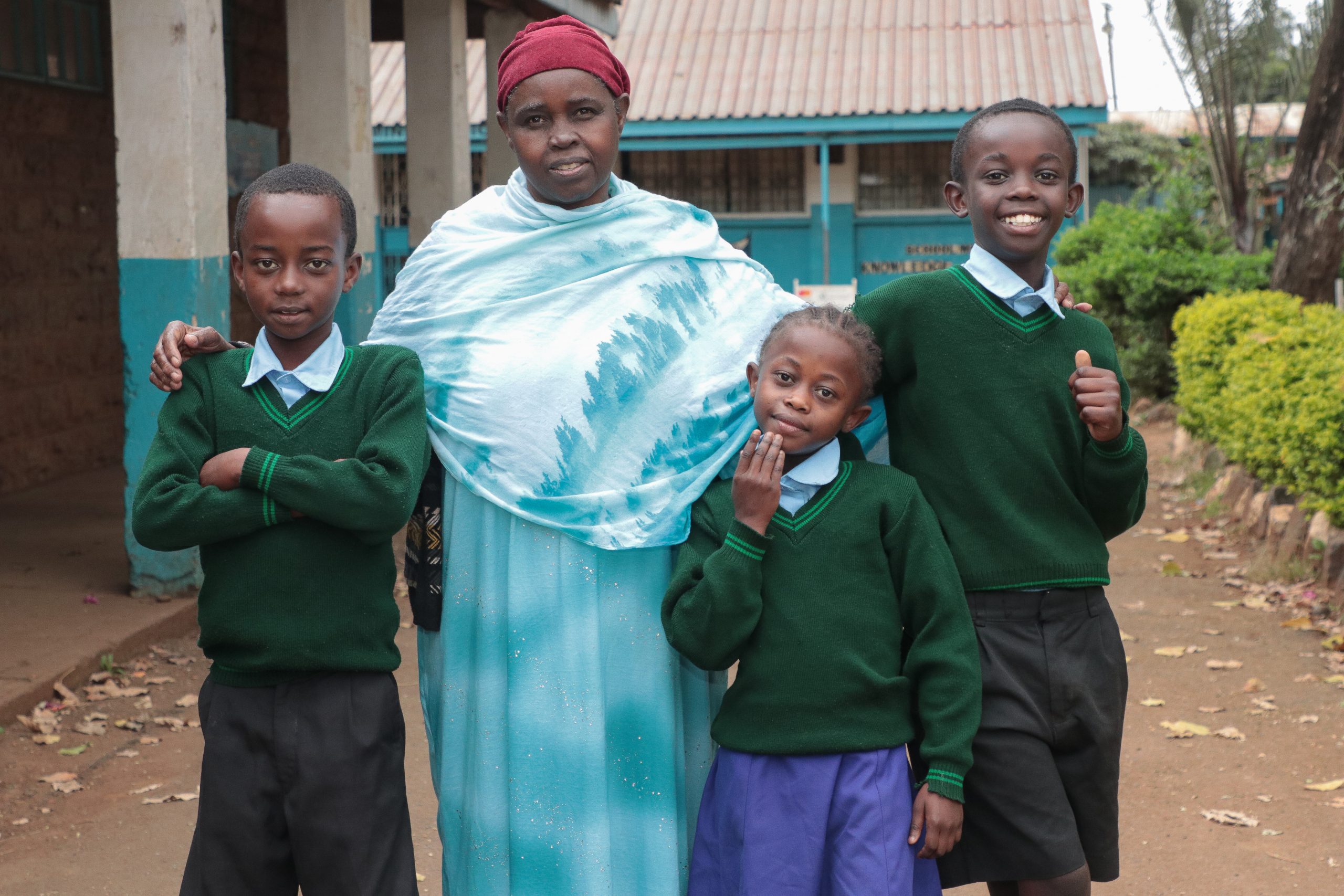
To create lasting change for vulnerable children, direct service provision must be complemented by advocacy and systems change. Youthful Faces’ mission is community-centered, and part of that is being a voice for OVC in broader forums – influencing policy, raising awareness, and mobilizing resources beyond our own organization. The board’s strategic feedback highlighted the need for advocacy with local government and partnership-building for sustainability. Indeed, international frameworks call for “increasing awareness and advocacy regarding OVC issues” and engaging wider stakeholders. By advocating, Youthful Faces can help ensure that no child is left behind not just through our programs, but through improved policies and community support networks.
Our Goal
Amplify the cause of orphaned and vulnerable children through advocacy and strategic partnerships. Over 2026–2028, Youthful Faces will actively engage in advocacy initiatives at local and national levels – aiming to influence at least one policy or public program in favor of OVC – and will forge collaborative partnerships with other organizations to expand our impact. We will position Youthful Faces as a thought leader on holistic OVC care in Kenya, sharing our model and success stories to inspire broader change.
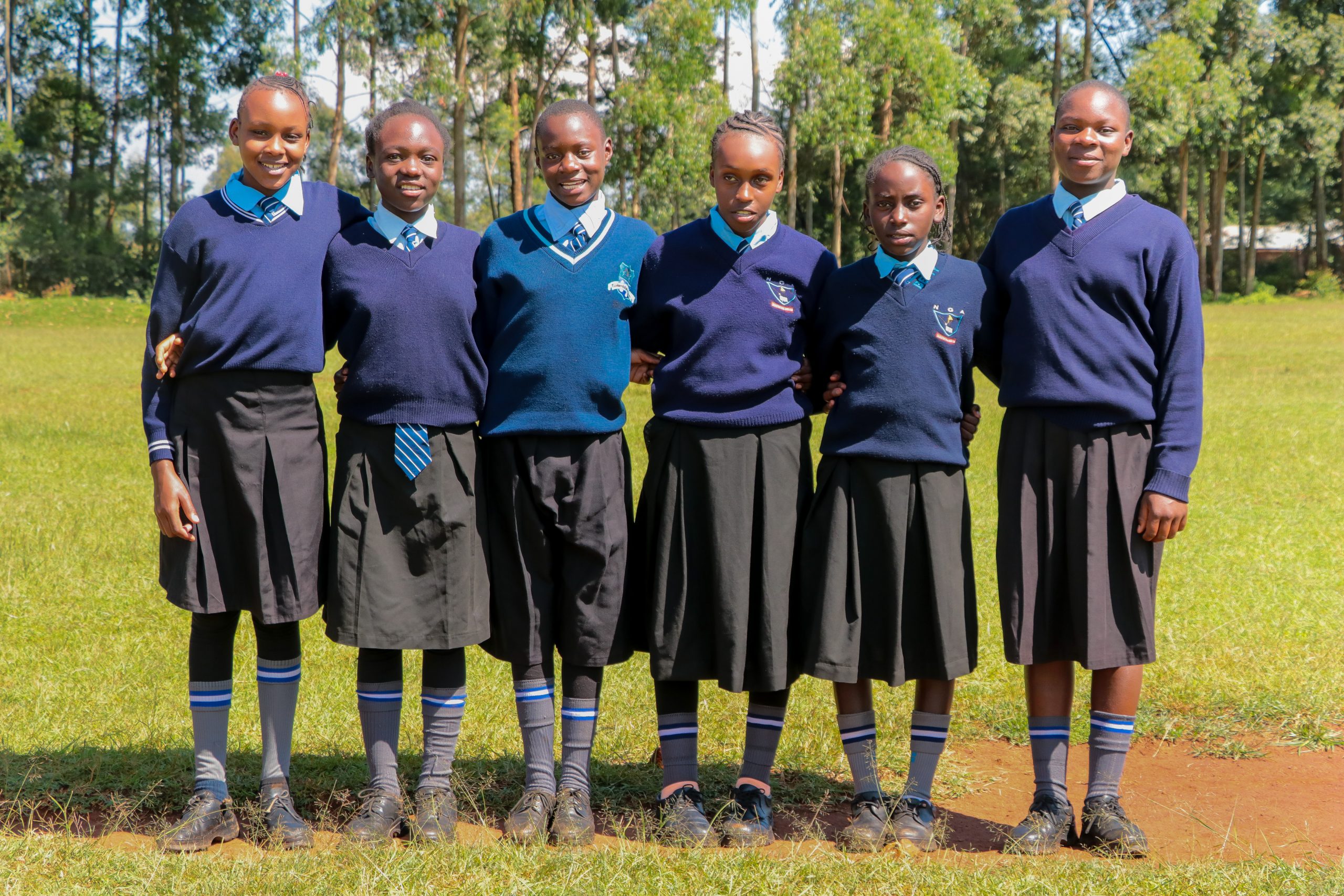
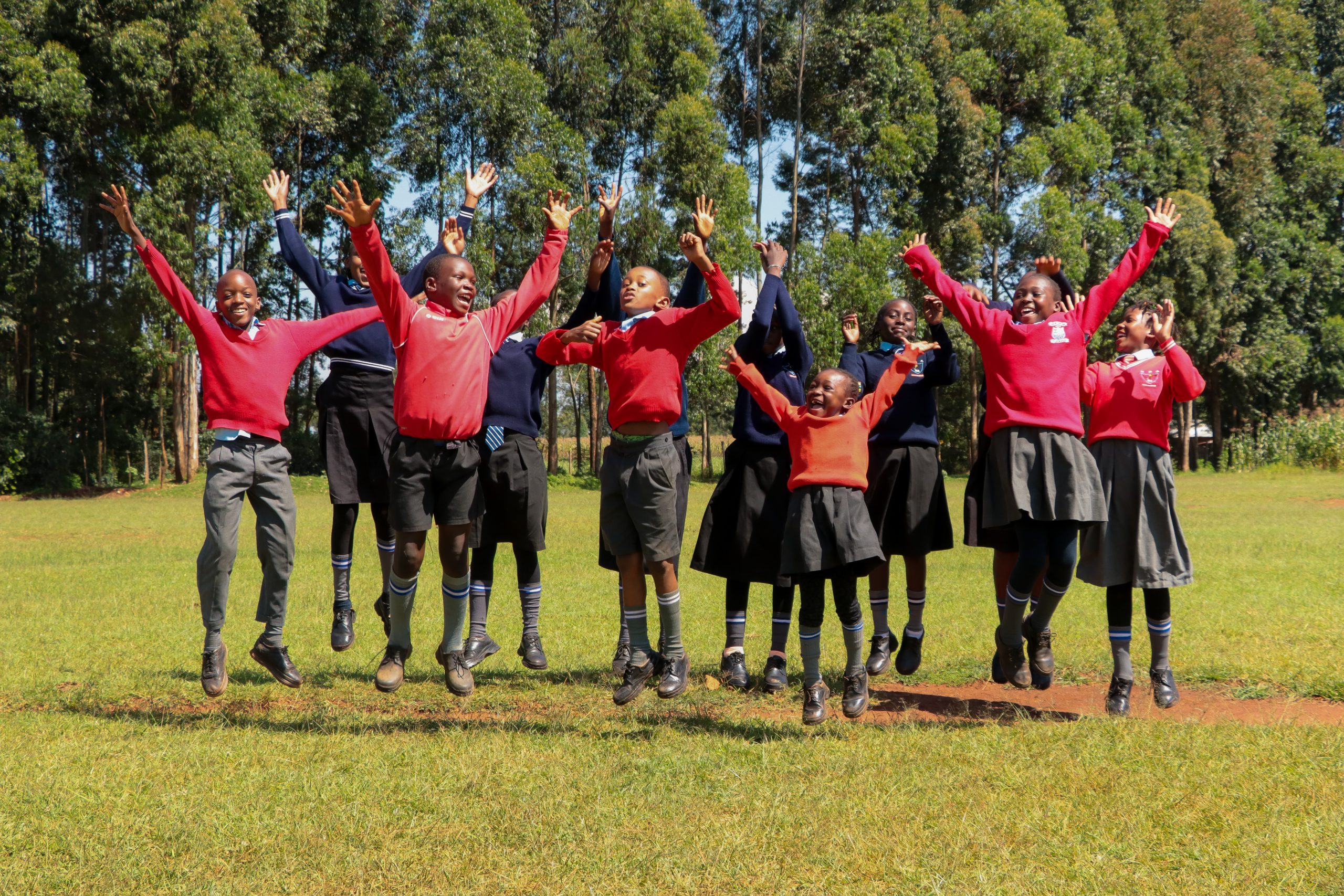
This priority aligns with SDG 17: Partnerships for the Goals, recognizing that multi-stakeholder collaboration is crucial. It also resonates with African Union Agenda 2063’s call for citizen inclusion and unity in development efforts. By raising our voice, we aim to multiply impact: encouraging policy “that protects the most vulnerable children” and mobilizing communities to take ownership of OVC care[83]. For Youthful Faces, success in advocacy means that over time, communities and governments are better equipped and more willing to support their orphaned and vulnerable children – reflecting our vision of empowered communities sustaining themselves.